



Two critical components of a mental health assessment are thought process and thought content. Assessment of an individual’s thoughts might be incorporated into the general patient...

A mental health assessment is crucial to assessing brain function, especially cognitive function. Although neuroimaging studies can examine structure, blood flow, metabolic function, and abnormal protein...


In primary care settings, a radical history of presenting disease (HPI) is essential to understanding the cause or issues that prompted the patient’s visit. The first...



When collecting a patient’s health history, it can be crucial to evaluate and document the dietary status. Nutrition is vital to maintaining a healthy weight and...



While many eyes are focused on the present levels of flu and Covid-19 cases across the United States, the rise of one other virus is affecting...


In the previous two blogs, we discussed alpha-adrenergic and beta-adrenergic drugs, drugs that inhibit various actions of the sympathetic nervous system. In this blog we are...
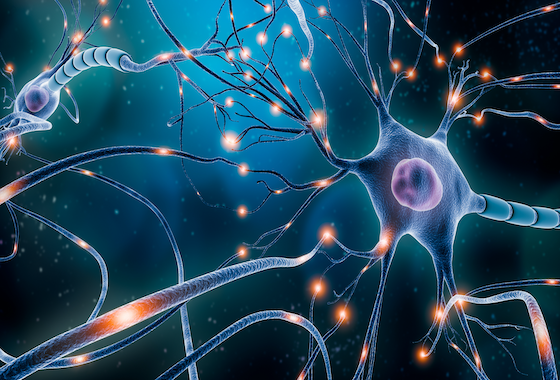

Cholinergic drugs have a wide selection of clinical indications. They are used to treat myasthenia gravis, dementia, open-angle glaucoma, and post-operative urinary retention, to call just...
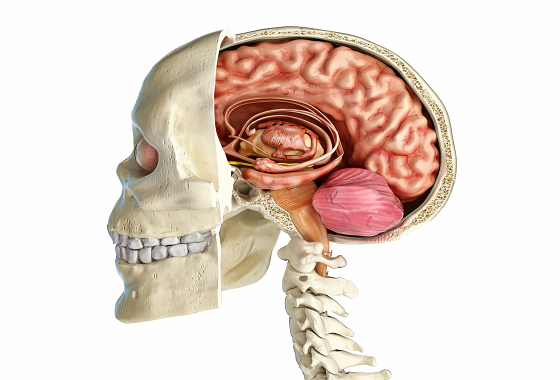

The Monro-Kellie Doctrine was first described over 2 hundred years ago by Dr. Alexander Monro and Dr. George Kellie. It describes a direct relationship between the...
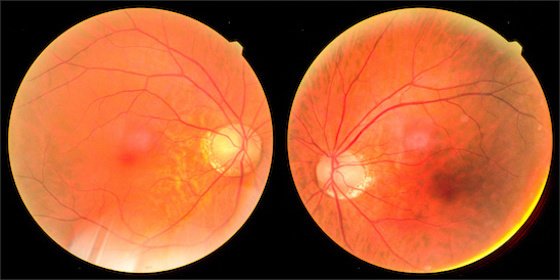

Fundus examination, also called ophthalmoscopy or retinal examination, is a test used to detect eye disorders, injuries and diseases. Advanced practice nurses working in primary care...
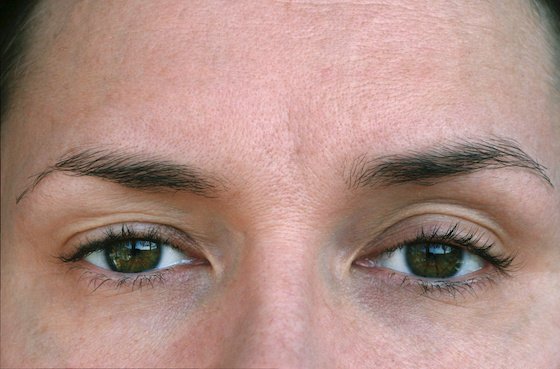

Ptosis, or blepharoplasty, is the drooping of the upper eyelid brought on by a congenital or acquired abnormality of the muscles that lift the eyelid (Lee,...


